Evolutionary Diagrams
Evolutionary Diagrams
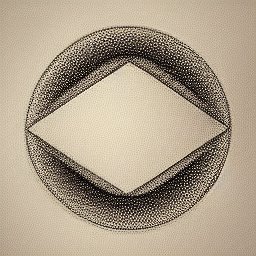
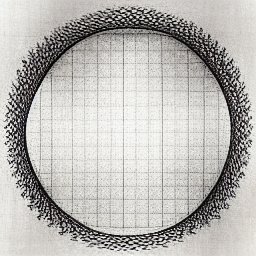
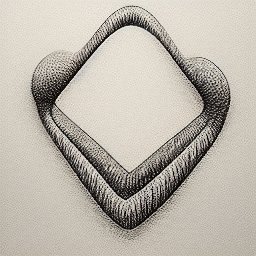
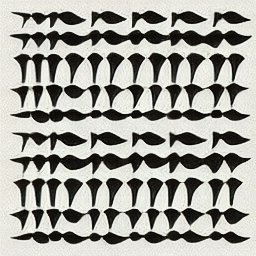
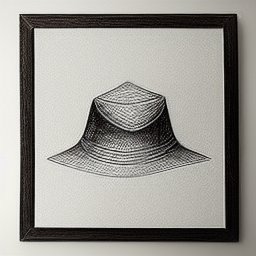
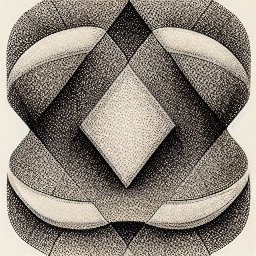
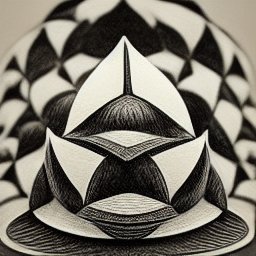
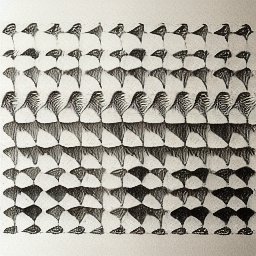
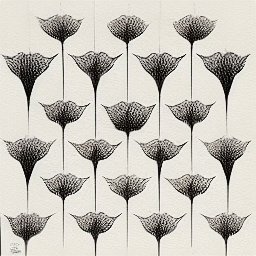
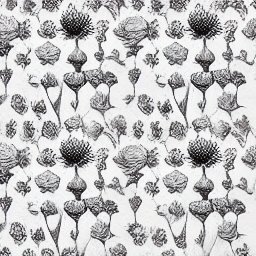
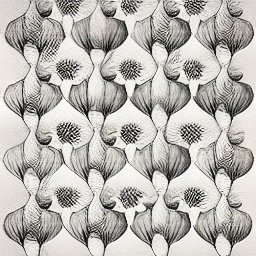
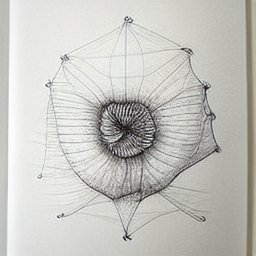
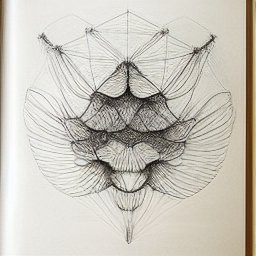
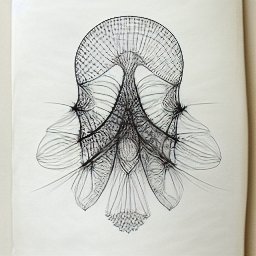
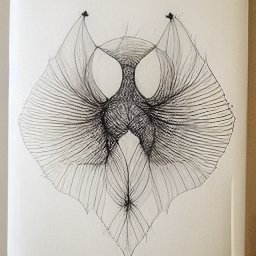
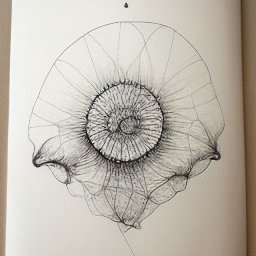
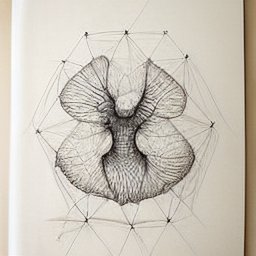
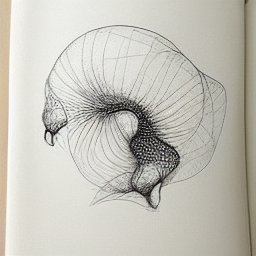
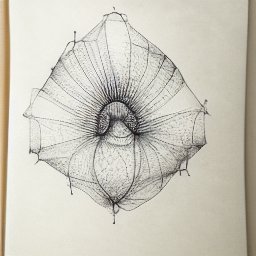
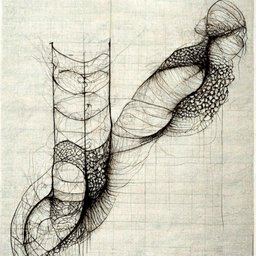
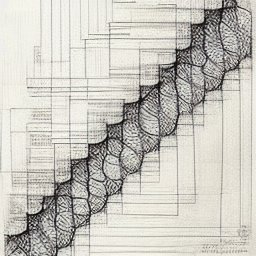
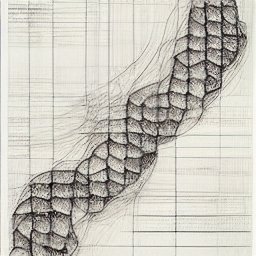
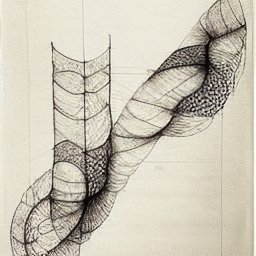
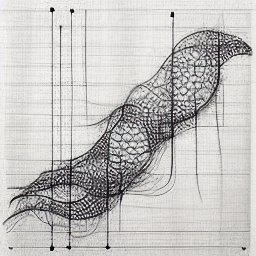
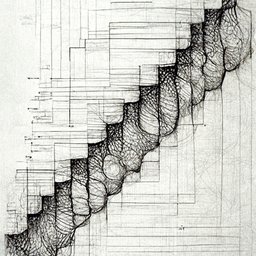
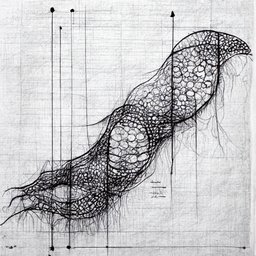
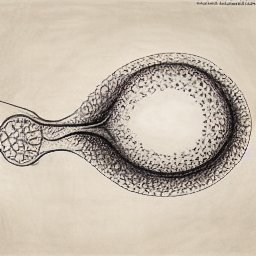
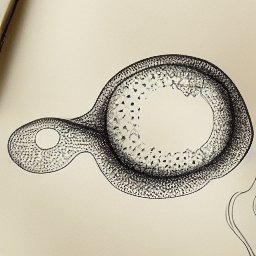
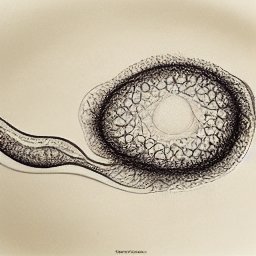
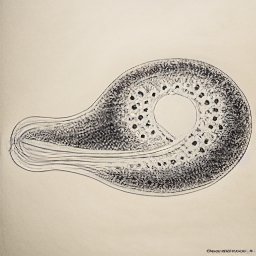
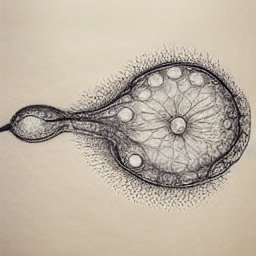
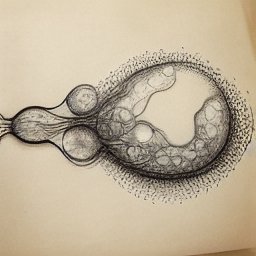
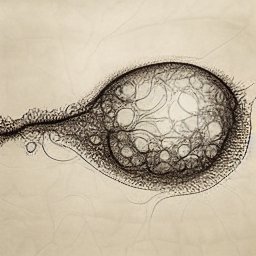
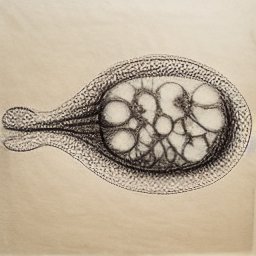
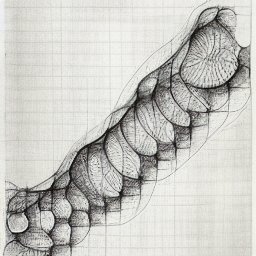
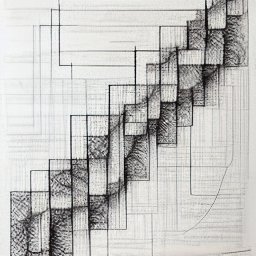
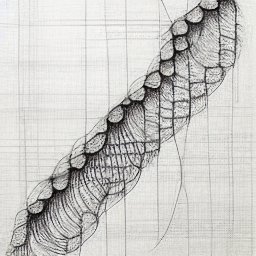
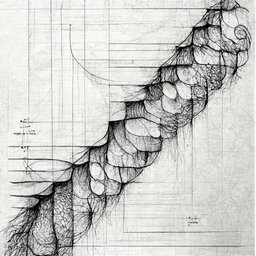
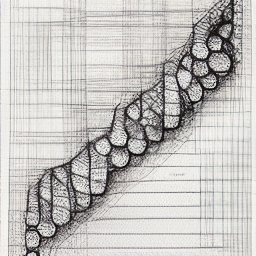
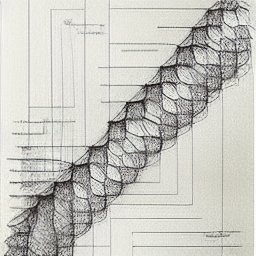
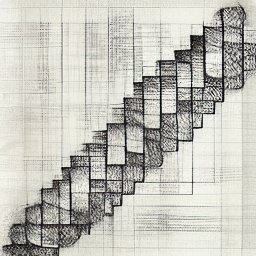
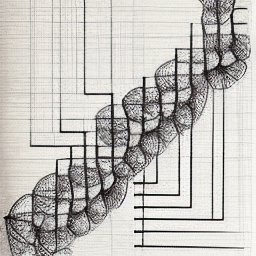
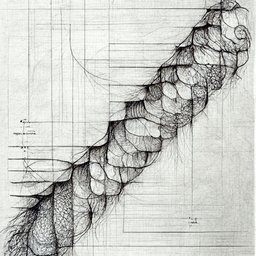
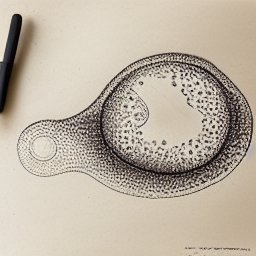
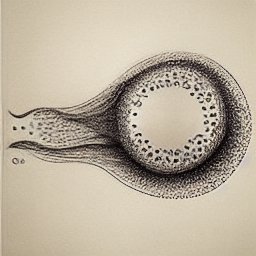
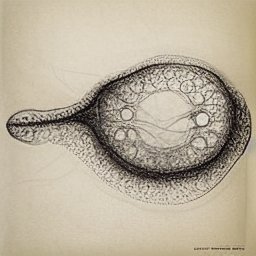
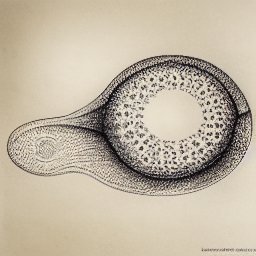
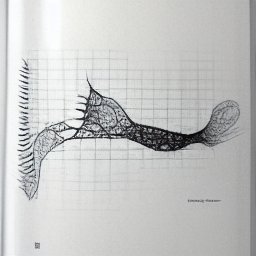
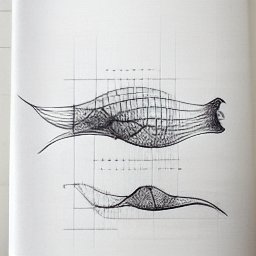
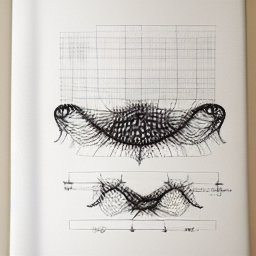
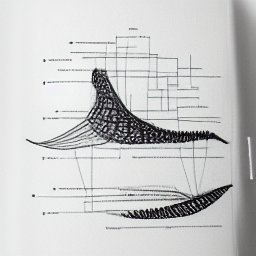
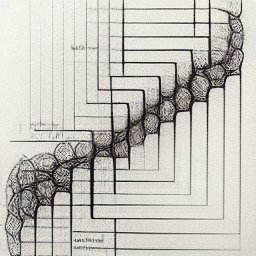
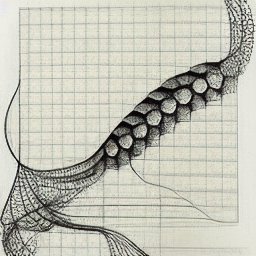
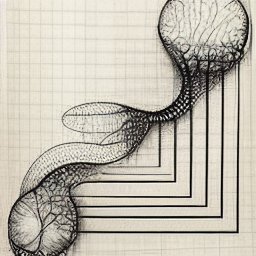
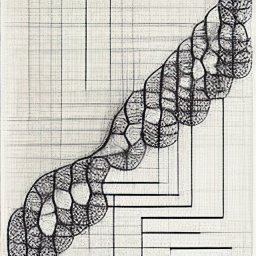
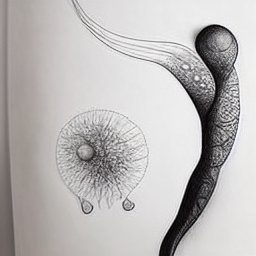
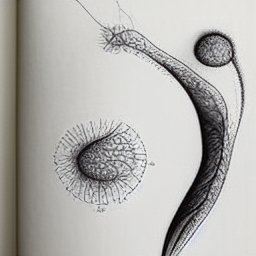
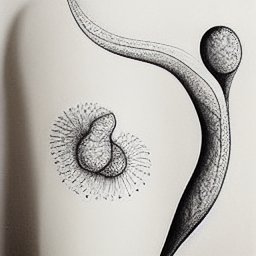
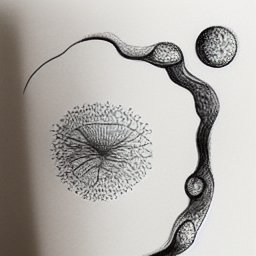
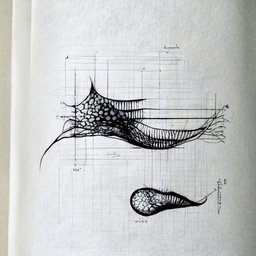
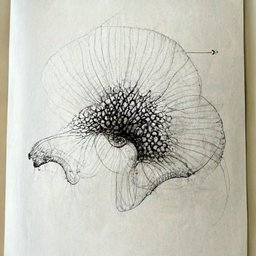
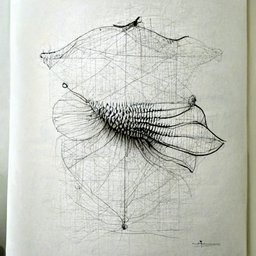
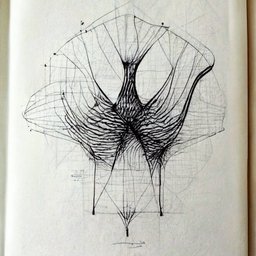
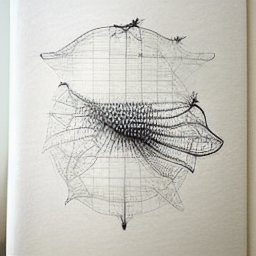
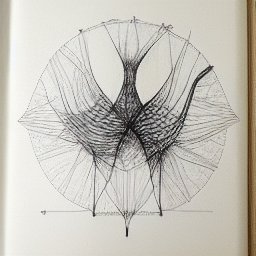
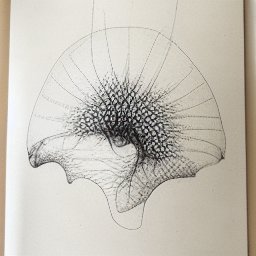
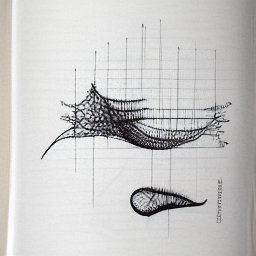
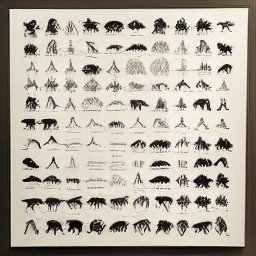
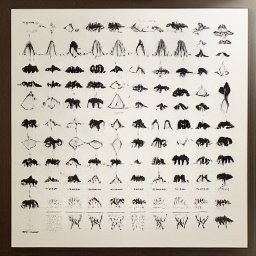
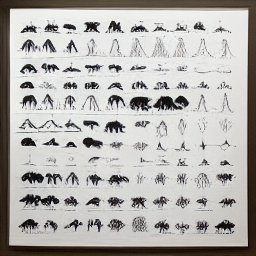
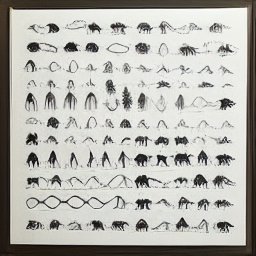
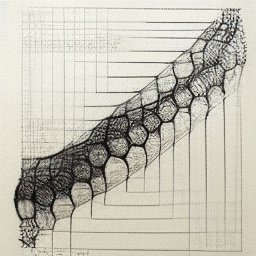
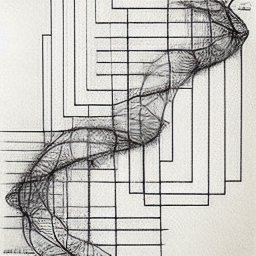
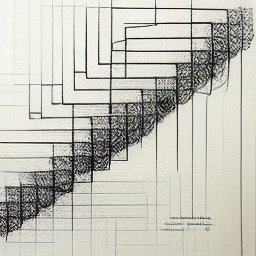
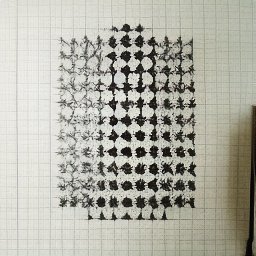
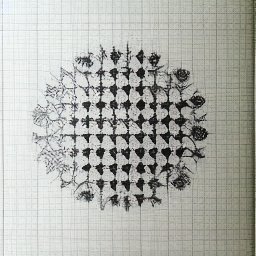
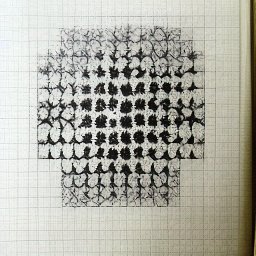
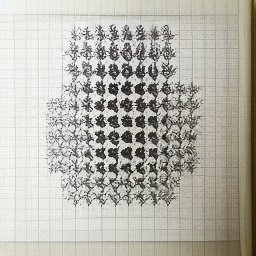
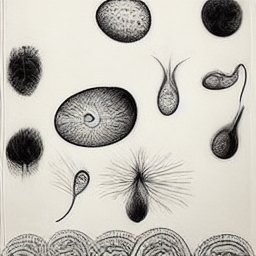
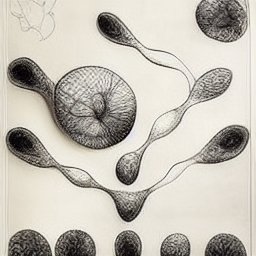
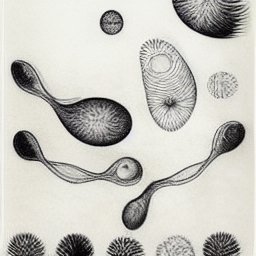
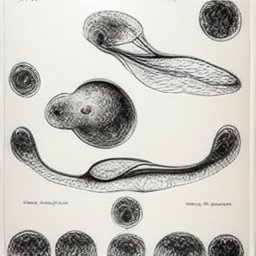
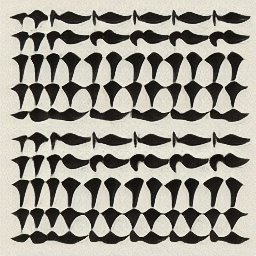
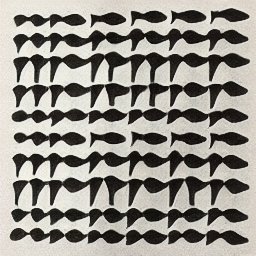
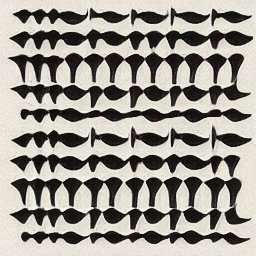
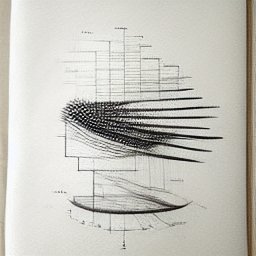
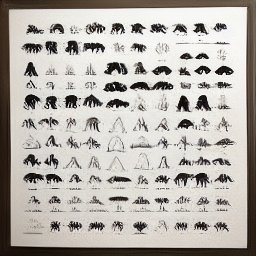
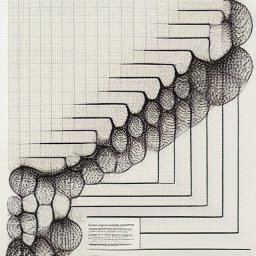
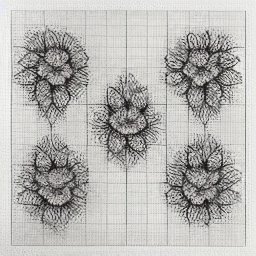
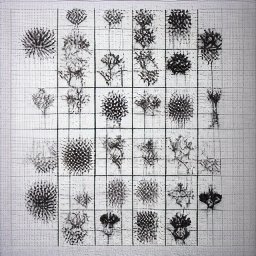
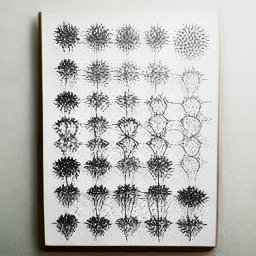
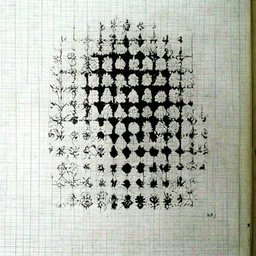
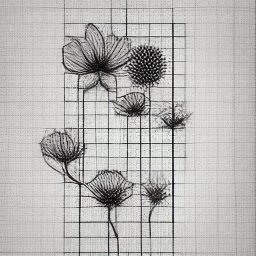
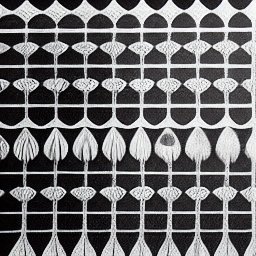
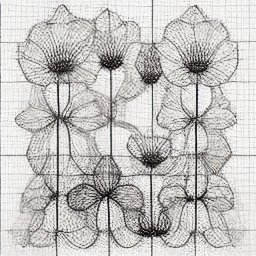
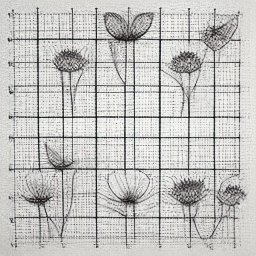
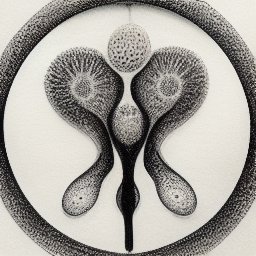
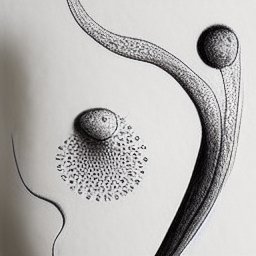
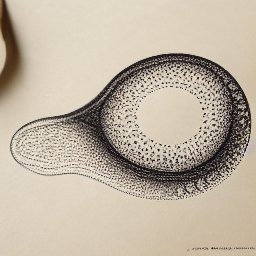
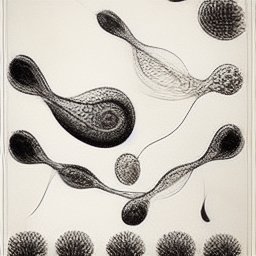
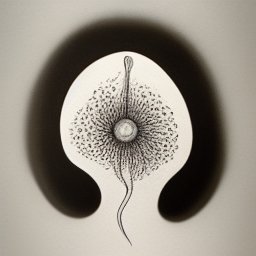
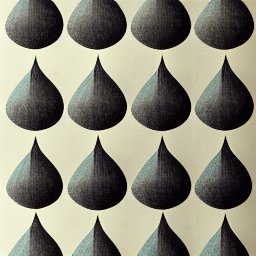
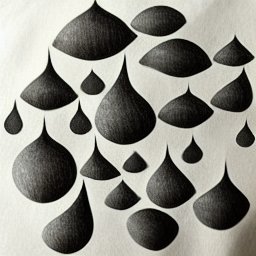
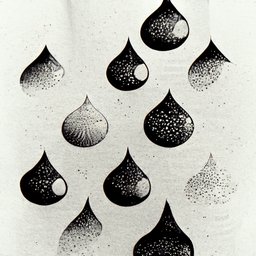
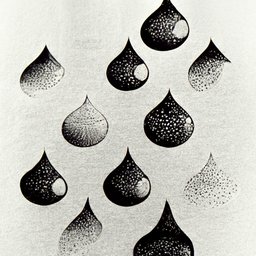
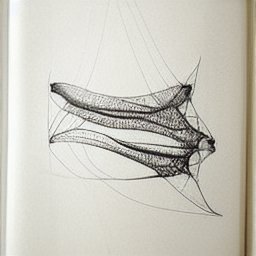
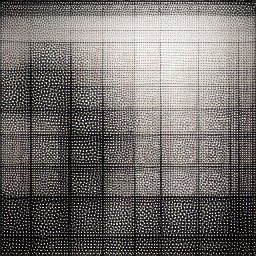
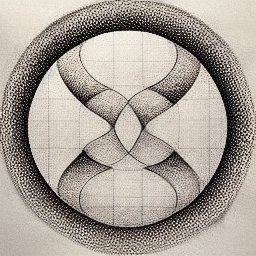
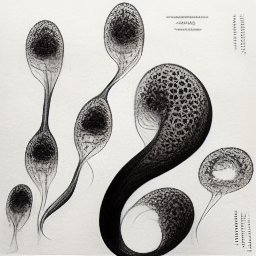
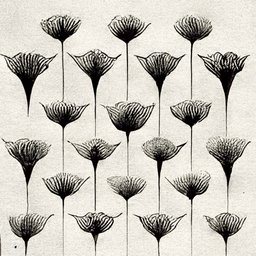
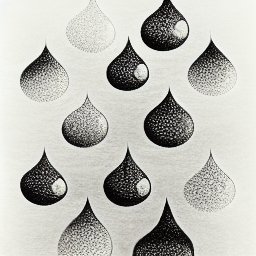
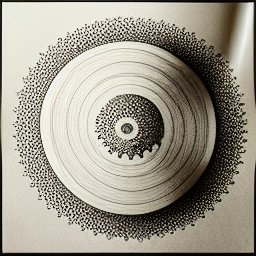
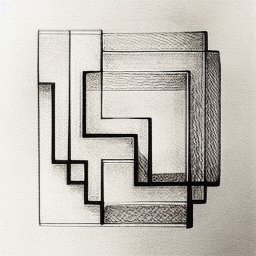
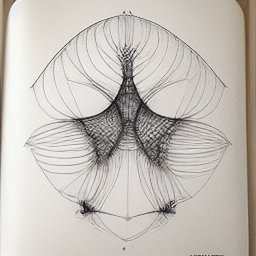
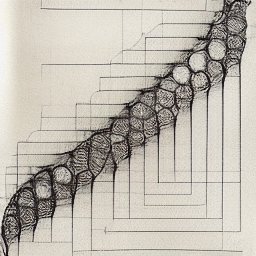
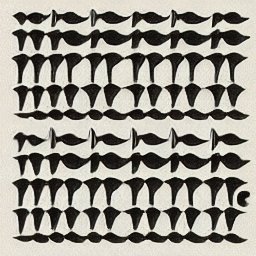
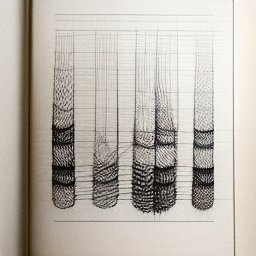
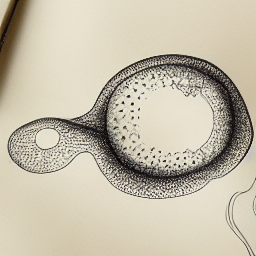
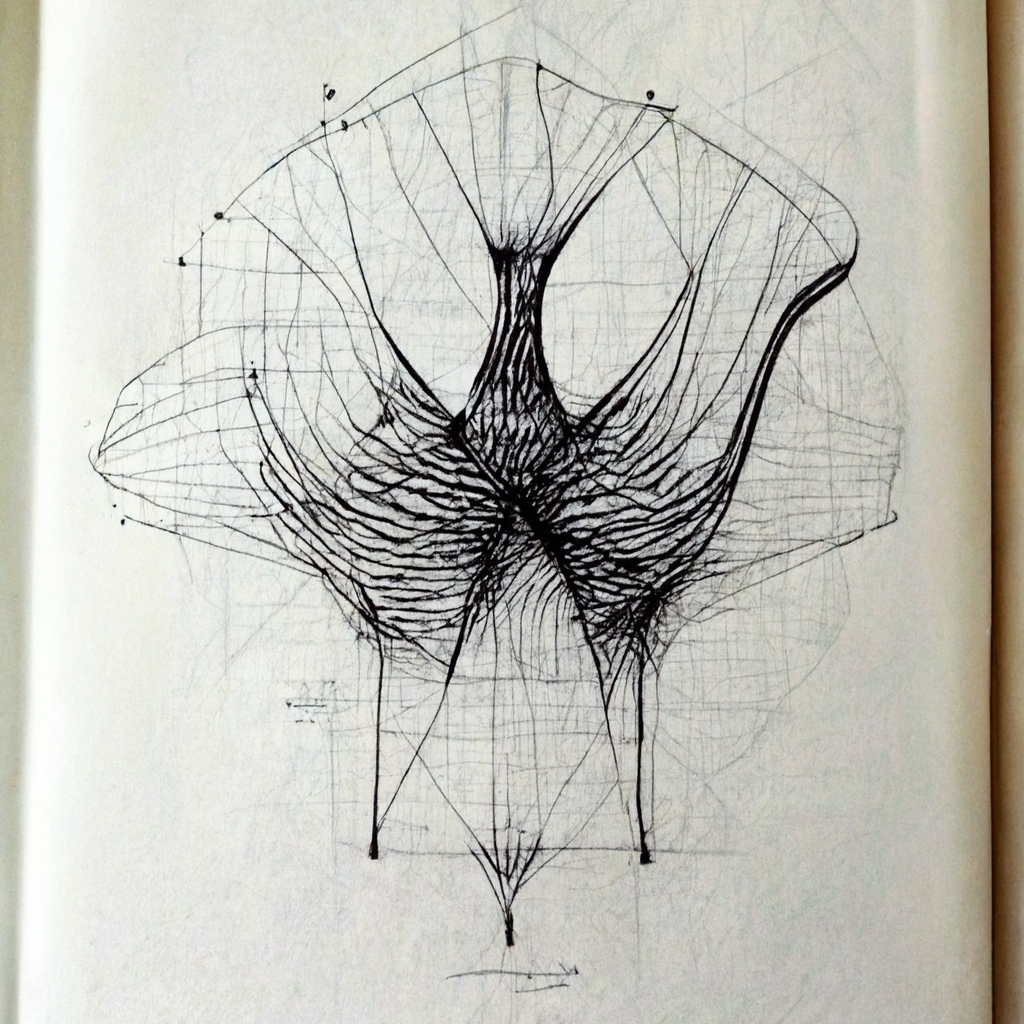
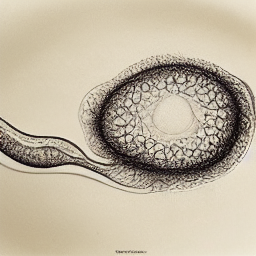
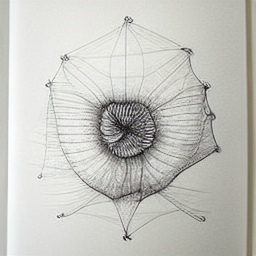 line drawings of evoluOne hundred and thirty-eight line drawings of what the prompts call evolutionary patterns. The phrasing has the dryness of a textbook caption and the result is the most contemplative work in the archive: spreads of evolutionary trees, branching taxonomies, organic forms unspooling across a flat plane in pen-line. There are no people in this collection. There are no logos. There are no fly goggles. The cycle is a quiet exercise in what biology looks like when drawn as if from a Victorian field journal.
 line drawings of evolu
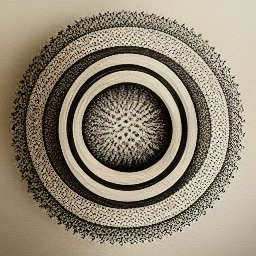
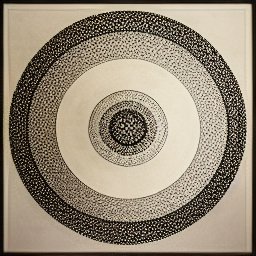
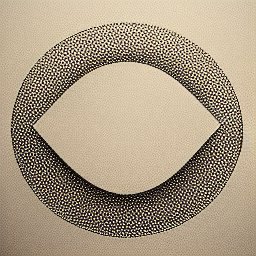
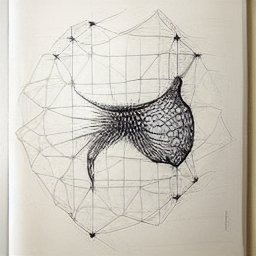
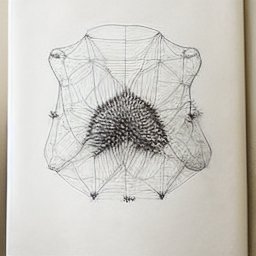
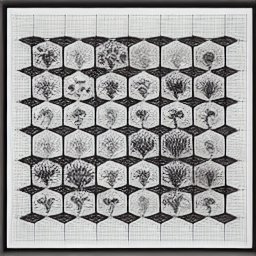
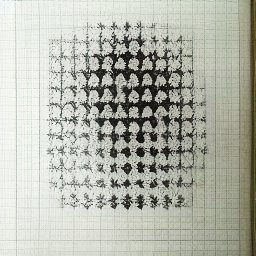
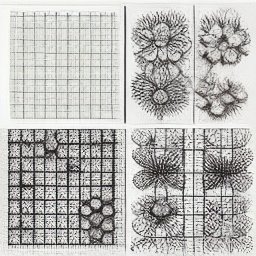
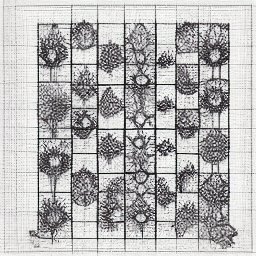
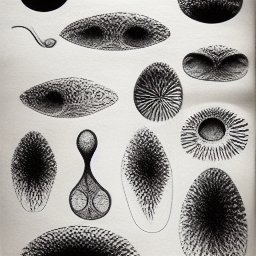
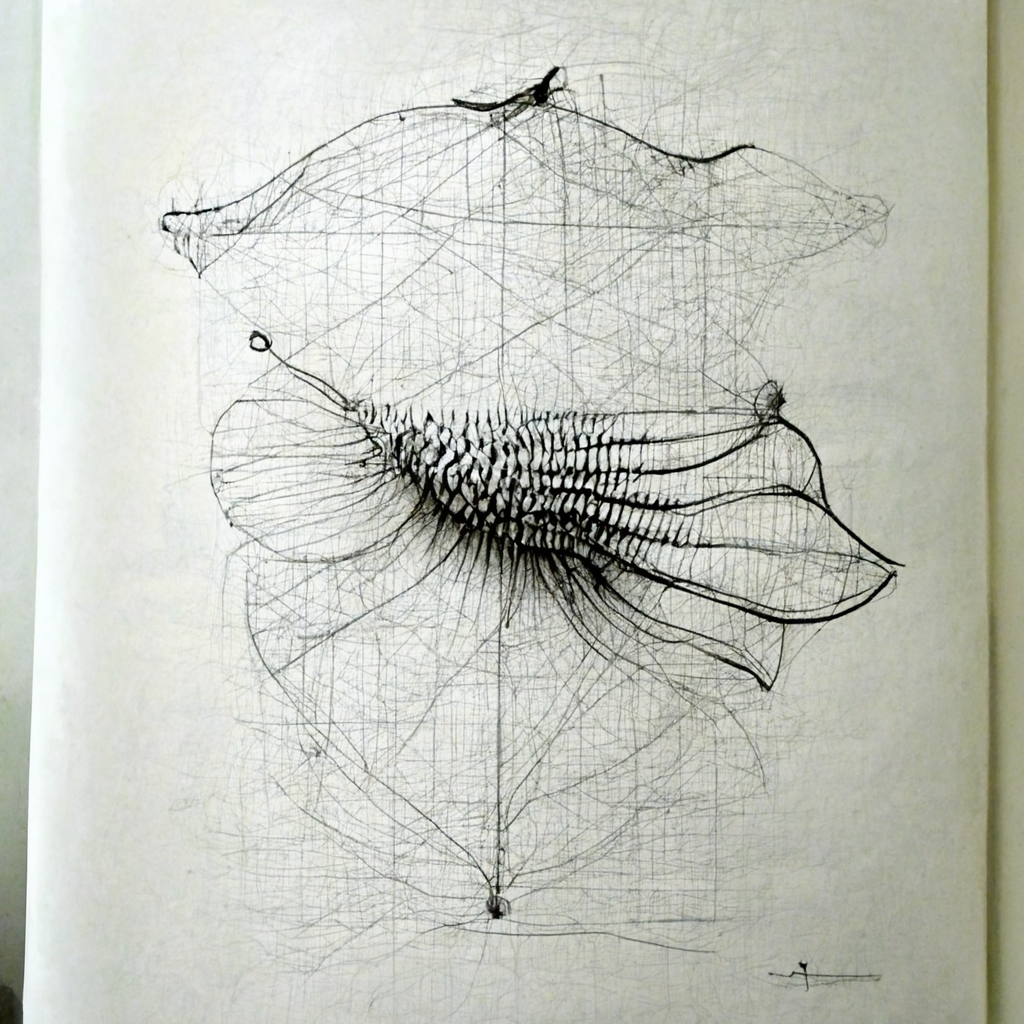 line drawings of evoluThe dominant prompt — line drawings of evolutionary patterns on a grid — runs sixty-nine times in its truncated form and thirteen times in fuller wordings. The grid is the giveaway. Thomas is not asking the model to depict evolution; he is asking it to depict an illustration of evolution, the way it would appear in a printed encyclopedia. The brief is a graphic-design brief. The output is line work on white field, sometimes lightly tinted, often arranged in regular ranks. The reference is unmistakably Ernst Haeckel — the German biologist whose 1904 Kunstformen der Natur gave the West its template for ordered nature, plates of radiolarians and jellyfish arrayed like wallpaper samples.
 line drawings of evolutionary…
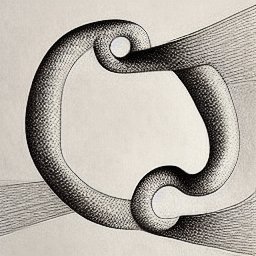
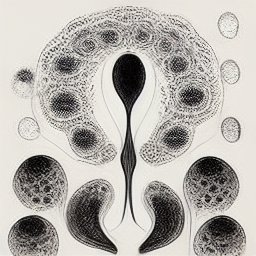
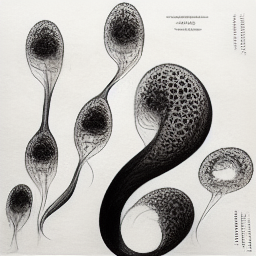 line drawings of evolutionary …Line drawings of evolutionary patterns shaped like spirals (eight iterations) is the cycle's strongest sub-run. The instruction shaped like spirals is what unlocks the work — the model stops drawing static taxonomies and starts drawing time. The spiral is the figure of evolution in motion. Once Thomas's prompt acknowledges the spiral, the cycle becomes about the direction of change rather than the catalog of forms.
 escher line drawings of…The interesting question is why this cycle exists at all in an archive otherwise dominated by Bitcoin iconography and pop-culture mash-up. Evolutionary diagrams have no obvious relationship to anything else Thomas is drawing. The cycle is a retreat. It is what an artist makes when he wants the conscious part of his brain to do nothing for a while. It is meditative work. The fact that he returned to this prompt 138 times across multiple sessions suggests that the cycle is doing work for him beyond the visual — that it is a settling form, the way some people doodle the same spiral on a notebook margin during long phone calls.
 line drawings of evolu
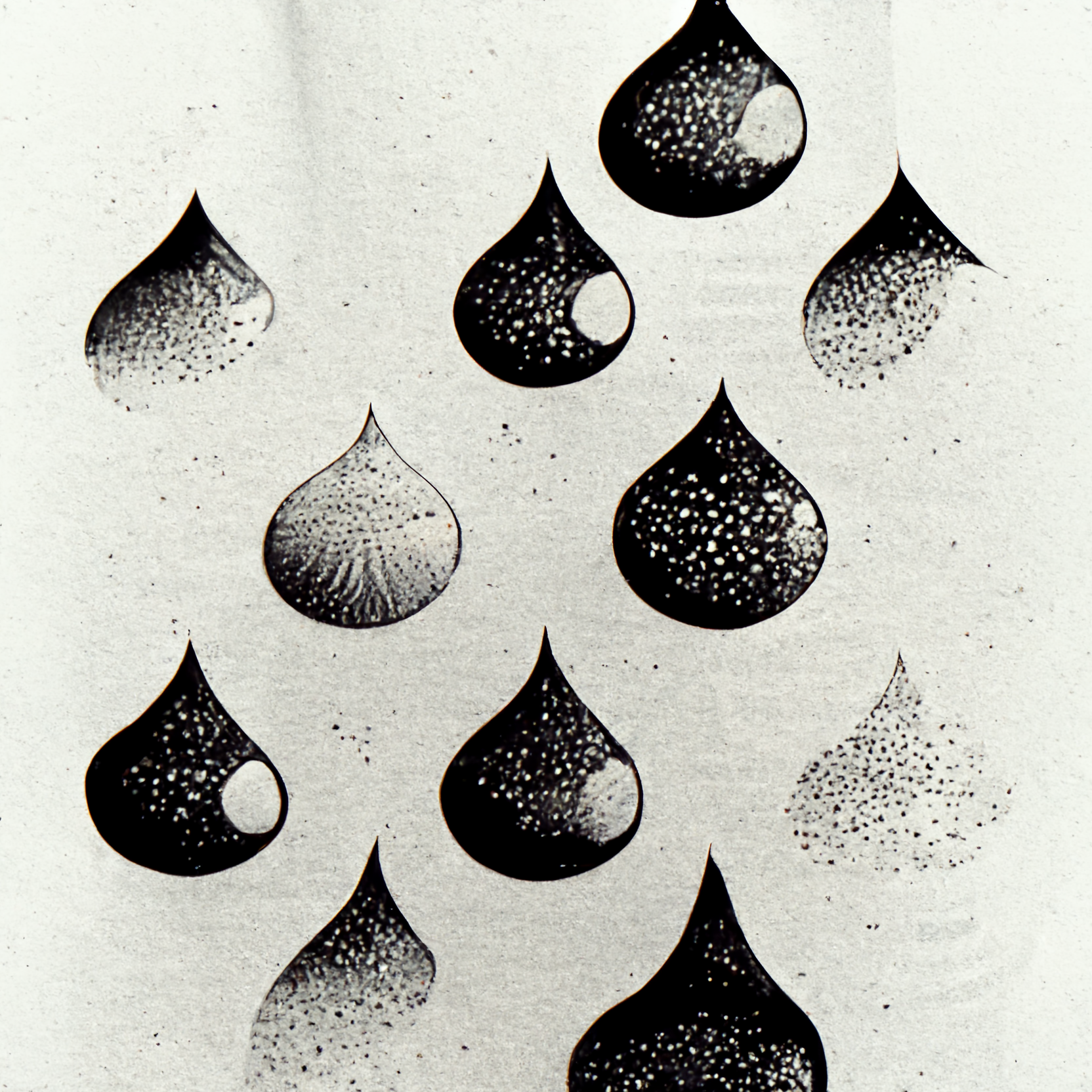 raindrop random pattern…That said, the cycle also reveals an aesthetic preference Thomas does not explicitly state elsewhere: he likes the look of the field guide. The flat white background. The discrete numbered specimens. The annotation typeface that never appears (the prompts do not ask for text). This is the visual logic of classification, and once you have seen it in this cycle you start to notice it in the others. The Bond Sequence is a classification of Bond-by-style-period. The Mickey Inversion is a classification of Mickey-under-lighting-conditions. The Raccoon Bestiary is — its title gives it away — a bestiary, which is itself a Victorian-era field guide.
 line drawings of evolu
 line drawings of evolu
Evolutionary Diagrams is, in this reading, the archive's Rosetta stone. It is the cycle in which Thomas's underlying methodology — classify, iterate, present in regular ranks — is laid bare without the distracting content of his other obsessions. He is, the cycle reveals, a taxonomist by instinct. The bitcoin commentary, the political ruin, the Disney inversions are all the species in his collection. The cycle of evolutionary diagrams is the method.
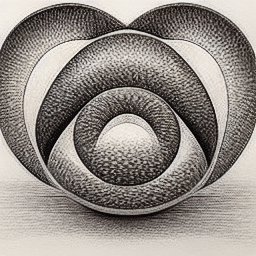
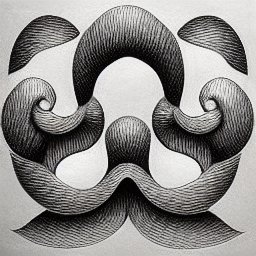
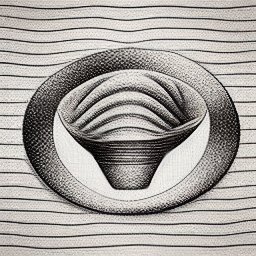
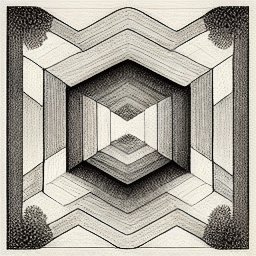
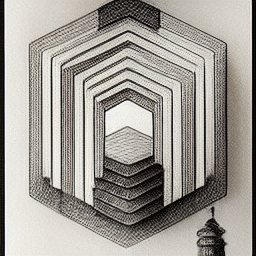
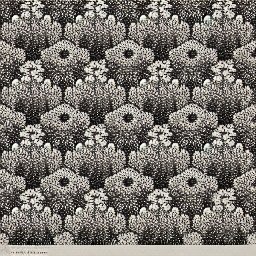
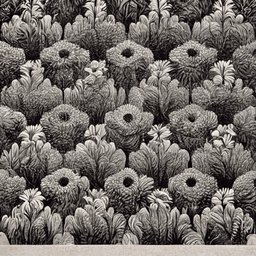
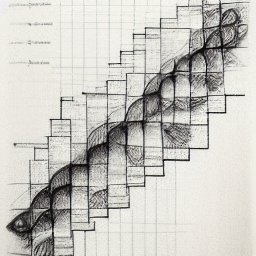
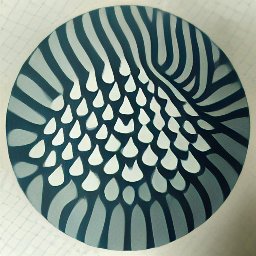
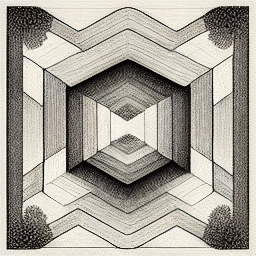
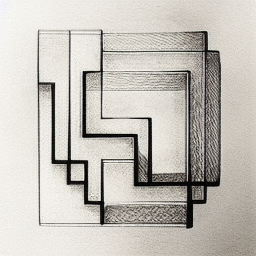 escher line drawings of evolut…Escher line drawings of evolution (four iterations) is the cycle's metacommentary. By invoking M.C. Escher, Thomas is acknowledging that taxonomies can fold back on themselves; that classification is also a trick of the eye. The drawing in this run shows tessellated forms that morph from one species into the next without a clean boundary. The lesson: there are no species, only positions on a spiral.
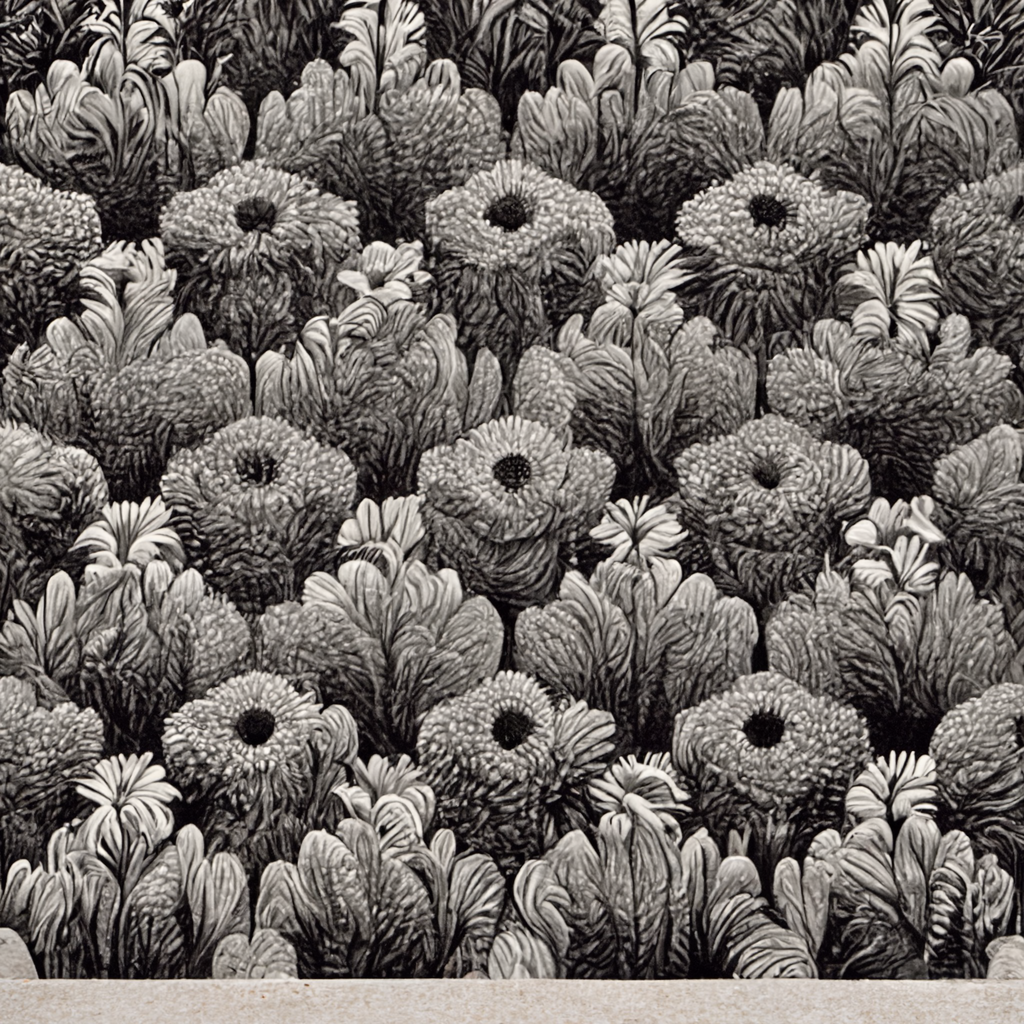 escher line drawings of…The cycle ends, as far as the archive shows, sometime in late 2024. Thomas does not return. He has solved the problem the prompts were posing — what does ordered nature look like in pen-line — to his own satisfaction, and the cycle closes. It is the only collection in the archive with anything like a conclusion. The others remain open. This one is done.
 line drawings of evolu
The complete set
All 138 images in this collection
Every image, no curation — a contact sheet of the entire run. Click any thumbnail to open it.